2D Barcode Technology
Understanding the global shift to GS1 2D Digital Barcodes.
What 2D Barcodes will show you
2D barcodes will be found on many products starting from 2027.
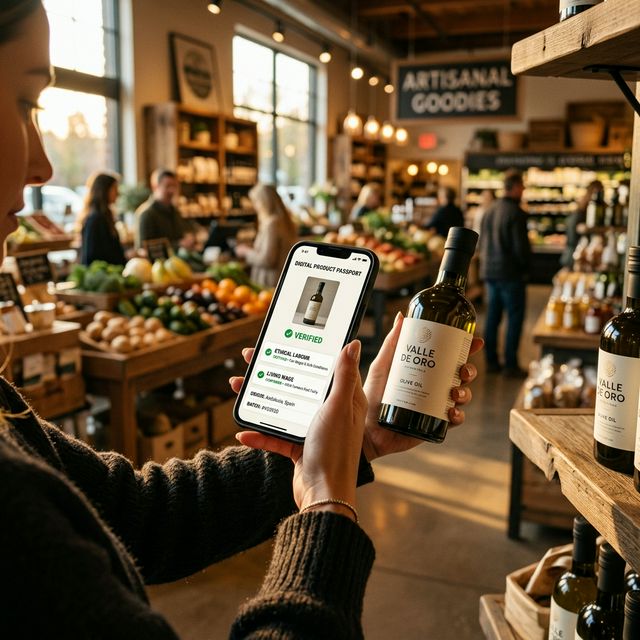
Although 2D barcodes look like a QR code, they are much more. When consumers scan a 2D barcode using their smartphone cameras, they will see a landing page with options or ‘link types’. They will be able to choose from these options (e.g. sustainability) and access information tailored to their interests in an organised way. This is where we want to see an ethics option, currently missing. The information is provided by the brand but will be verified by independent third parties and, we anticipate, specifically trained AI so it can be trusted. The information will automatically appear in the language set on the smartphone (if configured to do so).
Read More
The GS1 Digital Link Framework
Three Pillars of Supply Chain Transparency
GS1 Digital Link connects products to information through standardised link types. Two pillars are already in place. One critical dimension remains missing.
E — Environmental
Sustainability
gs1:sustainabilityInfo
✓ Standardised 2021Carbon footprint, recycling, eco-materials, and environmental impact data — accessible via a dedicated link type.
Covers the Environmental pillar of ESG
Verification
Certification
gs1:certificationInfo
✓ Standardised 2018Third-party compliance documents — Fairtrade, Organic, ISO certifications — linked as binary pass/fail markers.
Covers verified claims, but not self-declared commitments
S + G — Social & Governance
Ethics
gs1:ethics — proposed
♦ The Missing LinkTypeLabour rights, modern slavery prevention, fair trade, living wages, community investment, and governance — currently invisible in the standard.
Covers the Social and Governance pillars of ESG
The Ethical Transparency Alliance is working to complete this framework by proposing the gs1:ethics link type to the GS1 Standards Maintenance Group — enabling machine-readable ethical data for every product with a barcode.
The Evolution of the Scan
The global shift to GS1 2D digital barcodes represents the most significant change to retail in fifty years.
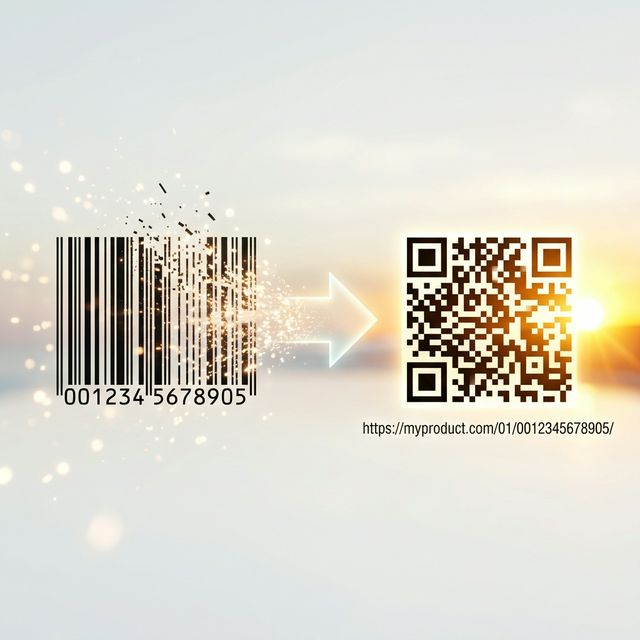
For decades, the traditional "1D" barcode has acted as a closed identifier—a simple number that retailers understand but which reveals nothing to the consumer about a product’s origin or ethics. As the industry moves toward the Sunrise 2027 target for 2D barcode adoption, we are transitioning from these closed identifiers to open URLs. By using the GS1 digital link standard, a single scan now serves both the retailer at the point of sale and the consumer in the aisle, unlocking access to verified, structured data in real-time.

Why This Moment Matters
Decisions made during this transition will shape supply chain transparency for the next twenty years.
In the same way that sustainability data was integrated into global standards through dedicated advocacy, we are now lobbying for a dedicated ethics link type. Currently, social impact data is often buried within unrelated categories, making it difficult for consumers to locate specific information regarding worker wages, rights, or safety. By standardizing ethics as a primary category, we ensure that human rights data becomes a core expectation of the digital identity rather than a hidden afterthought.
A Scalable, Global Solution
This architecture isn't just a prototype; it's designed to shape transparency for the next 20+ years.
By building on universal GS1 standards, we ensure total interoperability with worldwide retail systems while providing a low-barrier entry for brands. The cloud-based implementation requires minimal investment but offers a high-impact way to align with emerging regulatory tailwinds, such as due diligence laws in the EU, UK, and Australia.
Transparency only works when the data can be trusted.
To move beyond vague marketing claims, we utilise a dynamic data ecosystem where ethical information is standardised through machine-readable schemas. This allows for a verified truth model where high-trust data is accessible directly via a native smartphone camera, with no specialised apps required. Because the digital identity is live, ethical data can be updated with new audits or certifications even after a product has left the factory, ensuring the consumer always has a current and honest account of the product's journey.