
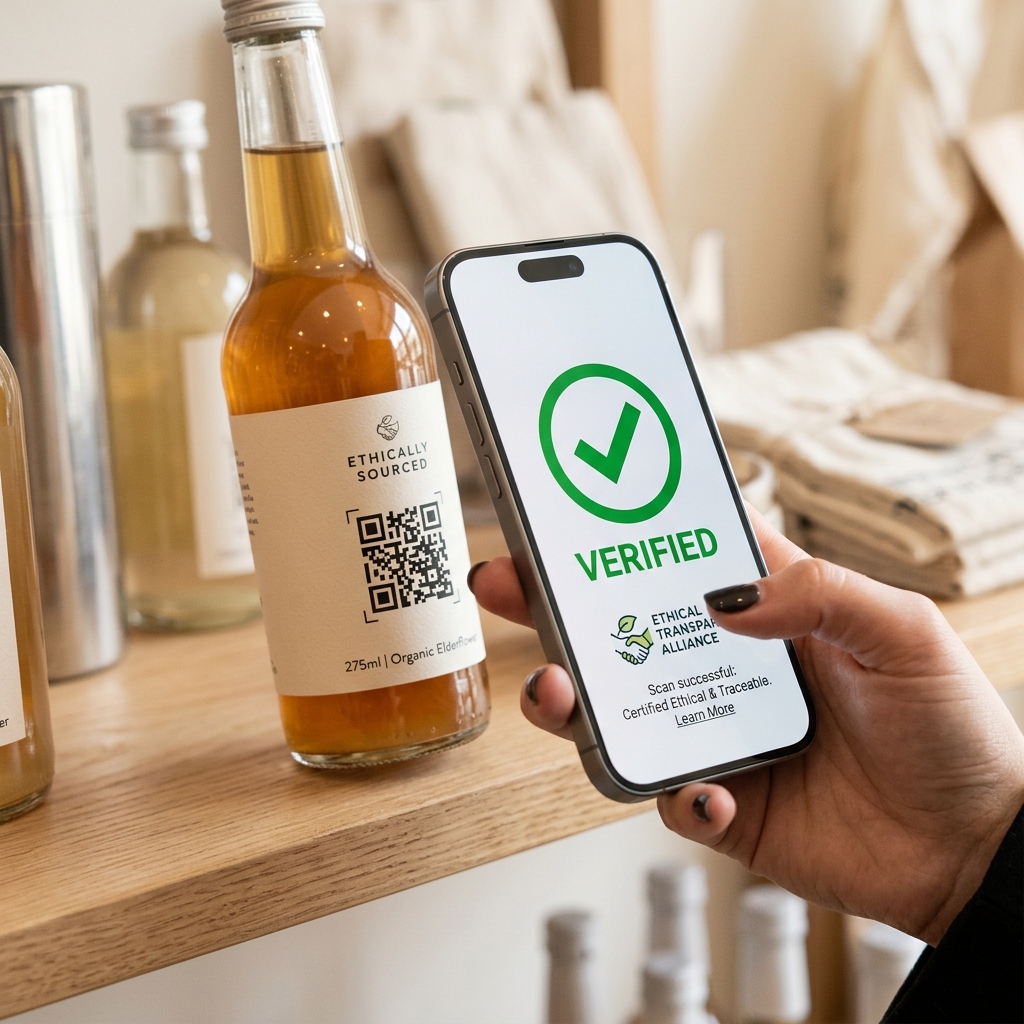
Exploring the architecture of accountability and why the transition to 2D is the foundation of modern transparency.
The Architecture of Accountability: How 2D Barcodes Function
The fundamental shift begins with the structure of the digital link itself. Unlike a traditional barcode that is simply a static number, a 2D barcode encoded with the GS1 Digital Link standard is a functional web address. This URL is built using a specific syntax that identifies the product globally while allowing for granular detail. It starts with a domain name, followed by the “GTIN” (Global Trade Item Number), and can even include specific “keys” for the batch number or individual serial number. This means a single scan can tell a computer exactly which product it is, which factory it came from, and even its specific “best before” date.
The “Resolver” acts as the intelligent traffic controller for this data. When a smartphone or a warehouse scanner hits that digital link URL, it doesn’t just go to a random website; it communicates with a resolver. This is a specialised server that looks at who is doing the scanning and what they need. If a consumer scans the product, the Resolver points them to transparency data or a “Verified Truth” landing page. If a logistics provider scans it, the Resolver might point them to a master data sheet or shipping instructions. This “one code, many destinations” capability is what allows 2D barcodes to replace every other label on a package.
The “ethics_info” link type is the specific technical hook for transparency. Within this web-based architecture, “linktypes” define the relationship between the product and the information being requested. By advocating for a standardised ethics_info link type, we are essentially building a dedicated lane on the information highway. When this link type is present in the barcode’s metadata, it signals to the Resolver that the user is looking for the ethical footprint. This removes the trust deficit by ensuring that sustainability data is a primary, machine-readable attribute of the product, not just a buried link on a corporate homepage.
Data persistence and verified truth rely on this standardised connectivity. Because the technology uses standard web protocols, the information is “live”. This means a brand cannot hide behind outdated packaging; the digital identity of the product can be updated in real-time to reflect new certifications or supply chain audits. By moving from “blind trust” to this interconnected technical framework, we ensure that the barcode is no longer just a tool for the checkout—it is a permanent, verifiable record of a product’s impact on the world.
Want to see the framework in action? View our Transparency Taxonomy here.